
Transitioning to a homesteading lifestyle is an exciting journey filled with opportunities for self-sufficiency, sustainability, and connecting with nature. However, for many aspiring homesteaders (like me), the thought of jumping all in at once on homesteading can feel overwhelming. Building a homestead from scratch involves mastering a wide array of skills that are essential for success. The good news is, you don’t have to wait until you have land to start learning.
While living in the city, you can begin honing these essential skills to set yourself up for a smoother transition when the day comes to build your dream homestead. Here are seven valuable homesteading skills you can develop now. Along with insights on how they will prepare you for your future life. Join along with me in developing these skills now so that when the time comes for us to have our own land, we feel ready and equipped rather than overwhelmed!
This post may contain affiliate links. If you make a purchase, I may earn a small commission at no extra cost to you.
1. Gardening in Small Spaces
Urban gardening is an excellent entry point into homesteading. Whether it’s container gardening on a balcony, starting a raised bed in a shared community garden, or experimenting with indoor hydroponics, cultivating plants in a small space teaches you essential skills like:
• Understanding soil health and composting.
• Managing pests naturally.
• Growing herbs, vegetables, or fruits.
If you live in an area with no outdoor space, you can try your hand at indoor gardening. Where I live, I did try that, but I was not able to reap any harvest due to lack of sunlight. However, I did learn A LOT about what plants need in terms of water, light, and warmth! There are grow lights available if you are really trying to reap a harvest. They do cost some money, but can be worth it if you’re comfortable investing a little up front. Since “gardening” wasn’t ideal for my situation, I decided to learn about plant via houseplants instead. That taught me a lot about soil health, watering, and paying attention to what your plants are telling you.
I was surprised to learn that there are community gardens where you can rent your own garden plot for a very affordable fee. My city didn’t have one, but the nearby cities do. So do some research to see if that may be an option for you!

Small-scale gardening teaches patience, observation, and problem-solving, which are crucial skills for managing larger gardens or crops. Plus, you’ll gain firsthand experience with different plant species, learning what thrives in your region. Starting small ensures that you won’t feel as overwhelmed when scaling up your garden on your homestead.
2. Canning and Food Preservation
Food preservation is a cornerstone of self-sufficiency, and it’s a skill that doesn’t require acres of land to learn. Start by preserving seasonal produce from your local farmers’ market or grocery store. Learn techniques such as:
• Water bath canning for jams, jellies, and pickles.
• Pressure canning for low-acid vegetables, meats, and soups.
• Dehydrating fruits and vegetables or fermenting foods like sauerkraut and kimchi.
You can start with canning by just using the water bath method. It does not require any special tools, but will allow you to begin practicing food preservation. Just be sure to always follow the proper canning method guidelines and safe practices via the National Center for Home Food Preservation. Once you’ve tried your hand at water bath canning you can invest in a pressure canner (this is the one I use, nothing fancy). Then, you will unlock so many more possibilities for what types of foods you can preserve!
If the idea of canning seems a little too complicated, you can always try other food preservation methods such as:
- dehydrating
- fermenting
- freezing foods

Mastering food preservation now gives you a head start when you have an abundance of homegrown produce. You’ll also reduce food waste and gain confidence in creating a stocked pantry, which is essential for homestead life.
3. Cooking From Scratch
Homesteading often involves preparing meals from raw, unprocessed ingredients. While living in the city, focus on cooking from scratch as much as possible. Experiment with making:
• Bread, pasta, and tortillas.
• Yogurt, butter, and cheese.
• Soups, broths, and even mayo from whole ingredients.
Cooking from scratch is arguably one of the most important skills to learn in order to be self sufficient. My dream is to not NEED to go to the store, and to be able to make/grow, hunt for, and forage the things we need in order to feed my family. Since I am not able to do that yet, the first step is unlearning relying on the grocery store to provide the things I use. Bread is a great way to start replacing one of your grocery store items. The reason being, it teaches you the importance of quality ingredients and how truly simple our food can be. Learning to make sourdough unlocked a level of curiosity (and a bit of anger) for me. I began questioning why we are eating foods with long lists of ingredients, when it can really be so simple.
Something as simple as learning to make your own mayo with quality ingredients can feel really empowering. Knowing that its one less thing on your grocery shopping list AND it is healthier for you and your family.

Developing cooking skills now ensures you’re not intimidated by the time and effort required for preparing meals on the homestead. You’ll also become adept at using seasonal produce and minimizing waste, which are critical for sustainable living.
If you’re new to cooking from scratch, check out some of my other posts where I keep it very simple!
4. Basic DIY and Maintenance Skills
Homesteading often means fixing and building things yourself, as hiring professionals can be costly and impractical in rural areas. While still in the city, take the time to learn:
• Basic carpentry skills like building shelves or repairing furniture.
• Plumbing basics, such as fixing leaks or unclogging drains.
• How to safely use power tools.
You can start small by assembling DIY kits, taking community workshops, or even shadowing a friend who’s handy with tools. Or, even better (in my opinion), use the power of the internet to soak up as much knowledge as you can about tools, construction, and safety. YouTube is FULL of so many incredibly informative videos for beginners to gain a good educational foundation around carpentry. The Honest Carpenter is a really great resource to tap into!

Becoming comfortable with tools and maintenance tasks now will save you time and frustration when you’re faced with bigger projects on your homestead. Such as building chicken coops, repairing fences, or maintaining water systems.
5. Budgeting and Frugal Living
Homesteading is as much about mindset as it is about skills, and developing a frugal lifestyle is a key aspect. Living in the city often means access to higher-cost goods and services, which makes it a great environment to practice frugal habits. Focus on:
• Creating a realistic budget and tracking expenses.
• Reducing unnecessary purchases and repurposing items.
• Learning to barter, trade, or buy second-hand.
Rather than relying on local stores, it’s a good idea to start looking around at what you have and asking yourself if you really need to purchase something. Often times we can repurpose another item to be dual purpose, or make our own from scratch.
Learning to have the mindset of, “Can I make it myself?” first, is a great homesteading tip. It empowers you to be crafty AND save a few bucks! I have always been a tinker type and I don’t have to try very hard to think like this. However, if you don’t tend to think this way, it can be difficult to train your brain to see opportunities other than going out and purchasing exactly what you need. So, practice seeing opportunities to either do without, or make due with what your already have. Even better, come up with a creative solution to whatever you are facing (as long as it is safe to do so).

Adopting a frugal mindset will help you make the most of your resources when you move to your homestead. It also ensures you’ll be financially prepared for the costs of acquiring land, building infrastructure, and purchasing equipment.
6. Animal Care (Even Without Animals)
While you may not be able to raise livestock in a city apartment, you can still learn about animal care. Start by reading books, watching videos, or volunteering at local farms or petting zoos. If possible, care for smaller animals like rabbits, quail, or chickens if city ordinances allow.
Learn about:
• Proper feeding and watering schedules.
• Basic health checks and common illnesses.
• Housing and predator-proofing techniques.
Now, I am the furthest thing from an expert on animal husbandry. However, I have been learning as much as I can without actually having any animals myself (besides cats). I know that we will be moving to a harsh climate in the future. So, I’ve been researching as much as I can about the different breeds of the animals we wish to raise. Finding what breeds can actually tolerate and thrive in that type of climate. These are lives at stake, so just jumping in and “winging it” has much more risk than for something like gardening. I want my animals to grow, thrive, and be happy. Because of that, I am researching SO much, and long before I have the opportunity to raise them myself.
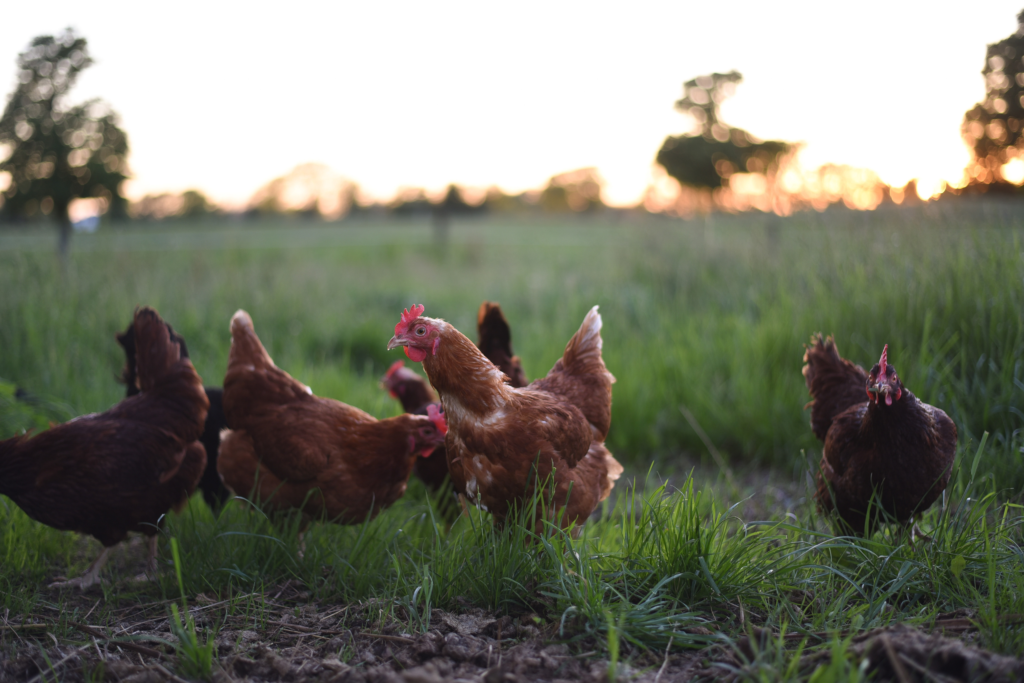
Gaining knowledge and hands-on experience with animals ensures you’re ready to handle livestock responsibly when you transition to a homestead. Knowing what to expect minimizes stress for both you and your animals.
7. Natural Remedies and First Aid
Homesteading often means being far from urban medical facilities, so basic first aid and natural remedies can be lifesaving skills. While in the city, you can:
• Take a certified first aid and CPR course.
• Learn to identify and use medicinal plants (start with herbs like lavender, chamomile, or calendula).
• Experiment with making salves, tinctures, and herbal teas.
Often times, when you think of homesteading, you think of people living way out in the sticks. Sometimes that IS the case. I have family who live 2 hours away from the closest Walmart or McDonald’s! So running to the store for necessary supplies is a planned adventure that doesn’t happen on a weekly basis.
Rather than relying on a full inventory of the local store (which may not have a good inventory, and may also be not very local), it is a great idea to learn about things that you can do yourself to keep you and your family healthy should you become ill or suffer a minor injury. Learning homeopathic remedies and basic first aid could be the difference in something turning into a very serious situation. Often times if we leave things unchecked, it can just get worse.
Start simply with natural remedies
Having tools at the ready for any situation can help you feel very empowered, even if you live far outside of town. So instead of driving to the pharmacy for a sore throat spray and cough drops, try making your own! Learn about how to relieve a stuffy nose, or a headache with things you likely already have on hand! Learn how to make your own ice packs, heck even learn how to do stitches and create a tourniquet! You’ll feel better knowing that you’ll be at least somewhat equipped for minor things. Obviously, and this should go without saying, if there is a serious issue, seek proper medical help! But often times, we CAN help ourselves if we just know how.

Understanding natural remedies and basic health care now gives you the confidence to address minor health issues on your own. It’s also a great way to connect with the natural world, even in an urban setting.
Why Learning These Skills in the City Makes a Difference
Moving to a homestead is a significant lifestyle change, and diving in unprepared can lead to frustration and burnout. By learning these skills while still living in the city, you:
1. Reduce Overwhelm: You’ll already have a foundation of knowledge, making the transition smoother and less intimidating. Which will allow you to ENJOY the process of this major life shift.
2. Build Confidence: Hands-on experience boosts your self-reliance and problem-solving abilities.
3. Save Time and Money: Investing in these skills now can prevent costly mistakes later on. Learning what not to do is arguably even more important than learning what to do.
4. Test Your Commitment: Homesteading isn’t for everyone, practicing these skills in advance helps you determine if it’s truly the lifestyle you want. Long before you’re deeply invested.
Final Thoughts
Homesteading is a rewarding journey, but it doesn’t have to be all or nothing. Even in the city, you can take meaningful steps toward self-sufficiency. Learning practical skills that will serve you well in the future will reduce overwhelm. Whether it’s baking bread, mastering food preservation, or being crafty, every small step prepares you for the big leap to homestead living.
By embracing these skills now, you’ll reduce overwhelm. You’ll also feel more prepared, confident, and empowered when the day finally comes to start your homestead. Many of these practices will enrich your life even while you’re still living in the city. Which proves that homesteading isn’t just about where you live, but how you live.
Happy learning friends!

Leave a Reply